Leonardo Plaza Ashdod
Hotels
Fattal-group hotel facing the southern beach with 183 rooms and suites, a seasonal adults' and children's pool, spa, gym and kids' club; kosher mehadrin under the Ashdod Rabbanut.
Checked 9 October 2026
Where to stay
Hotels, guesthouses and hostels I have checked, and a quick way to search short-term rentals by neighbourhood.
Checked places
In or near the city, each with its source and the date I checked it. I take no booking fees from these.
Hotels
Fattal-group hotel facing the southern beach with 183 rooms and suites, a seasonal adults' and children's pool, spa, gym and kids' club; kosher mehadrin under the Ashdod Rabbanut.
Hotels
Small boutique hotel in the first row from the sea on Max Nordau St, with spacious suites, most facing the sea.
Hotels
Business hotel whose interior draws on Ashdod's history, listed by the municipal tourism company.
Hotels
Suites hotel on the Lido beach promenade with 113 suites and rooms, most with sea views.
Short-term rentals
Each button opens a search for that neighbourhood on Airbnb or Booking.com in a new tab. Nothing is sent from this site.
Not sure which area yet? Start with the whole city.
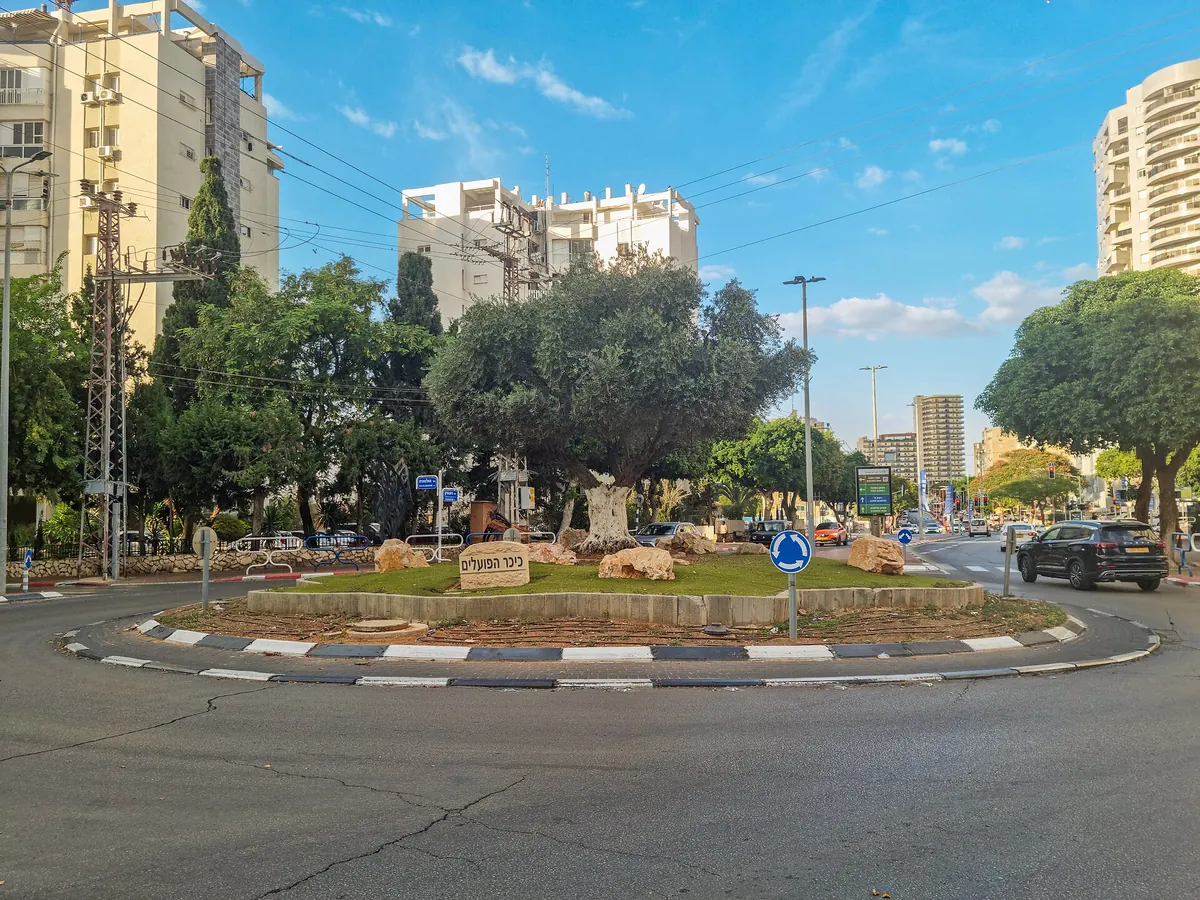
The first quarter (1957), by the Lido, Oranim and Mei Ami beaches. 1960s-70s blocks, Rogozin pedestrian street, Beit Canada absorption centre; renewal projects under way.
Photo: מקף־עברי, via Wikimedia Commons (opens in a new tab) · CC0 (opens in a new tab) · resized and converted to WebP
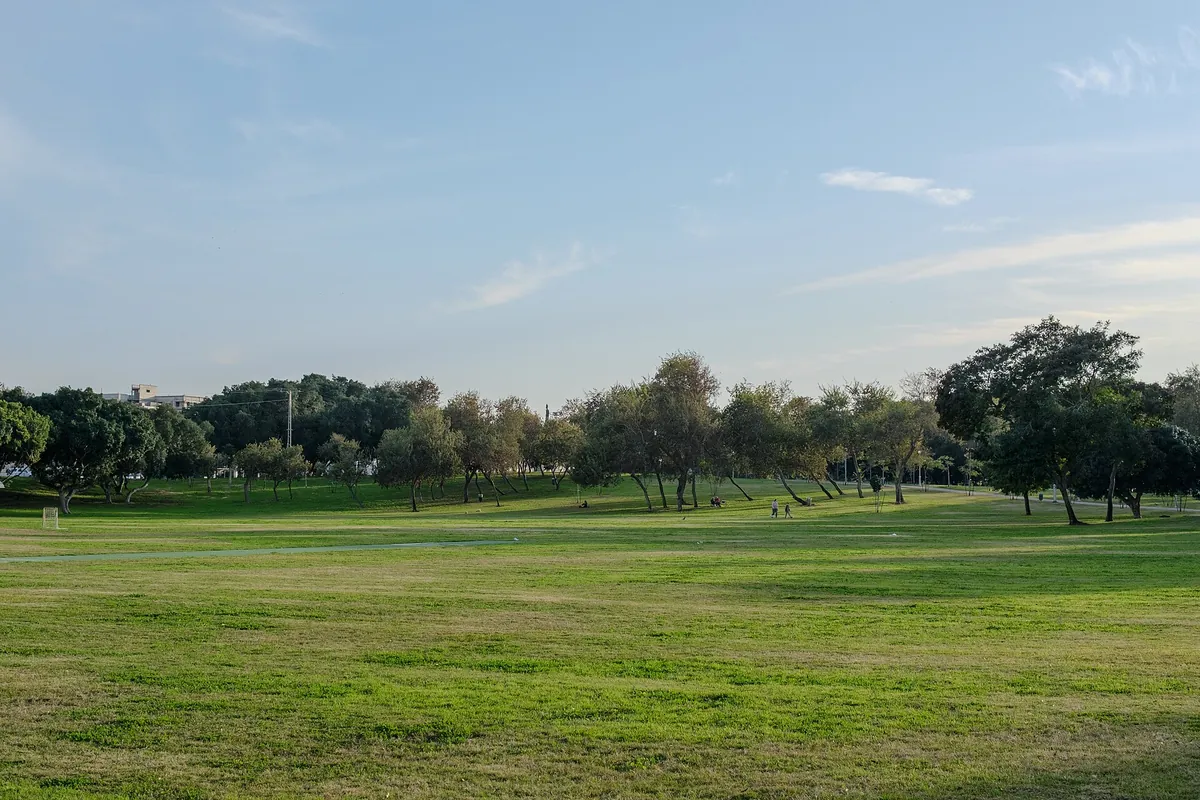
One of the oldest quarters: low 1960s blocks, the Rova Bet market, Star Center and Ben-Gurion Park, plus the city library and courts.
Photo: מקף־עברי, via Wikimedia Commons (opens in a new tab) · CC0 (opens in a new tab) · resized and converted to WebP
The most populous quarter (23,000+), at the north-east entrance. Mostly Haredi or traditional, with many olim from Russia and Ethiopia; Terem urgent care is here.
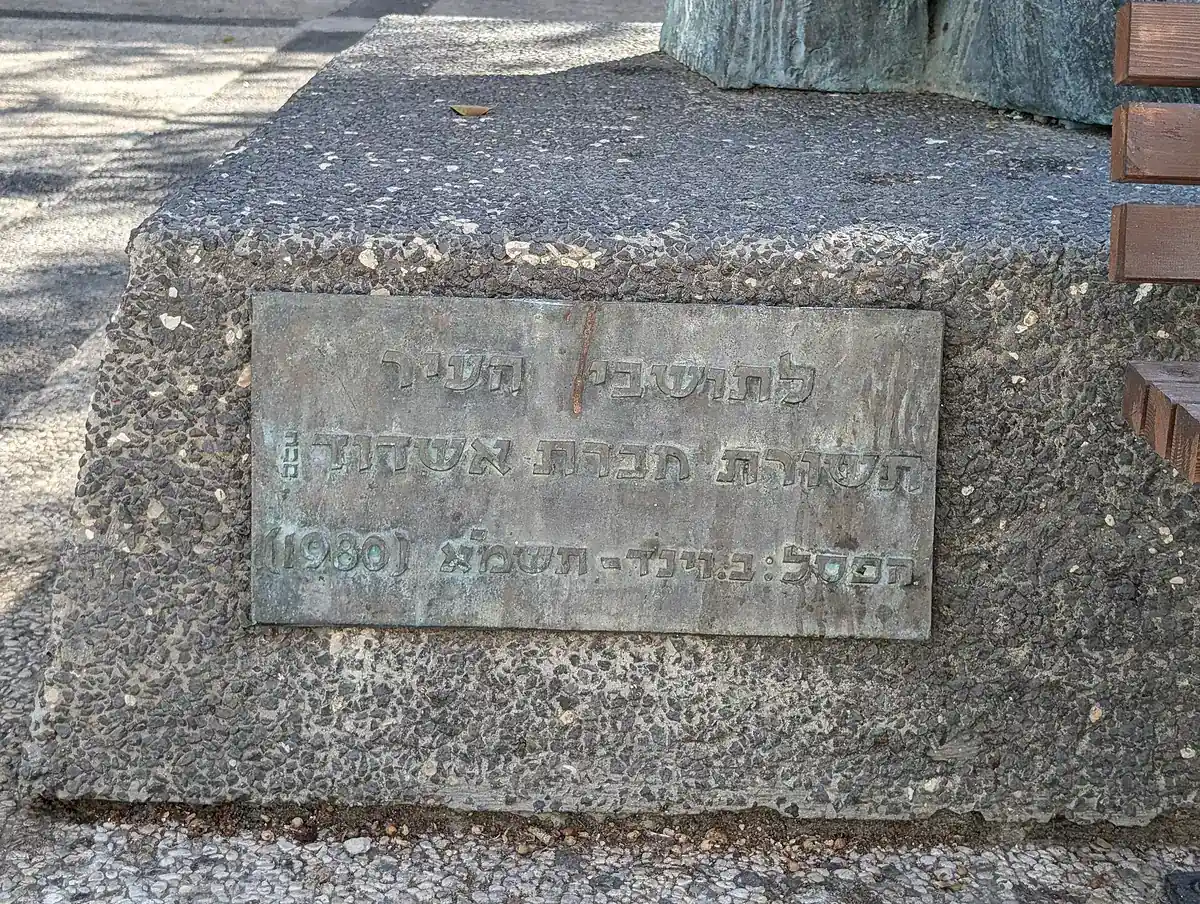
1970s, on the west side near the sea. About a third of residents are olim; all four health funds, the old city-hall shopping centre and the Philistine Culture Museum.
Photo: מקף־עברי, via Wikimedia Commons (opens in a new tab) · CC0 (opens in a new tab) · resized and converted to WebP
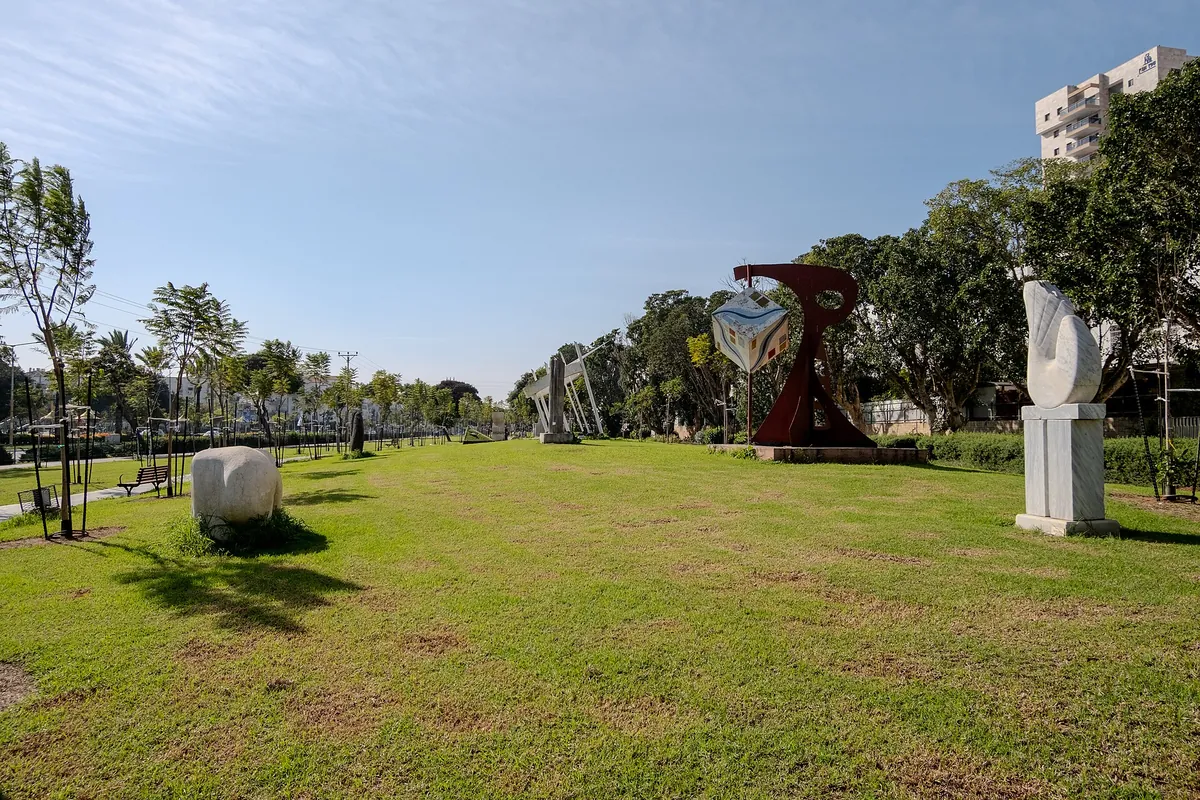
Built from the 1970s (south part in the 1990s) around the Lev Ashdod mall and Yigal Alon Park. About 38% olim, average age about 39.
Photo: מקף־עברי, via Wikimedia Commons (opens in a new tab) · CC0 (opens in a new tab) · resized and converted to WebP
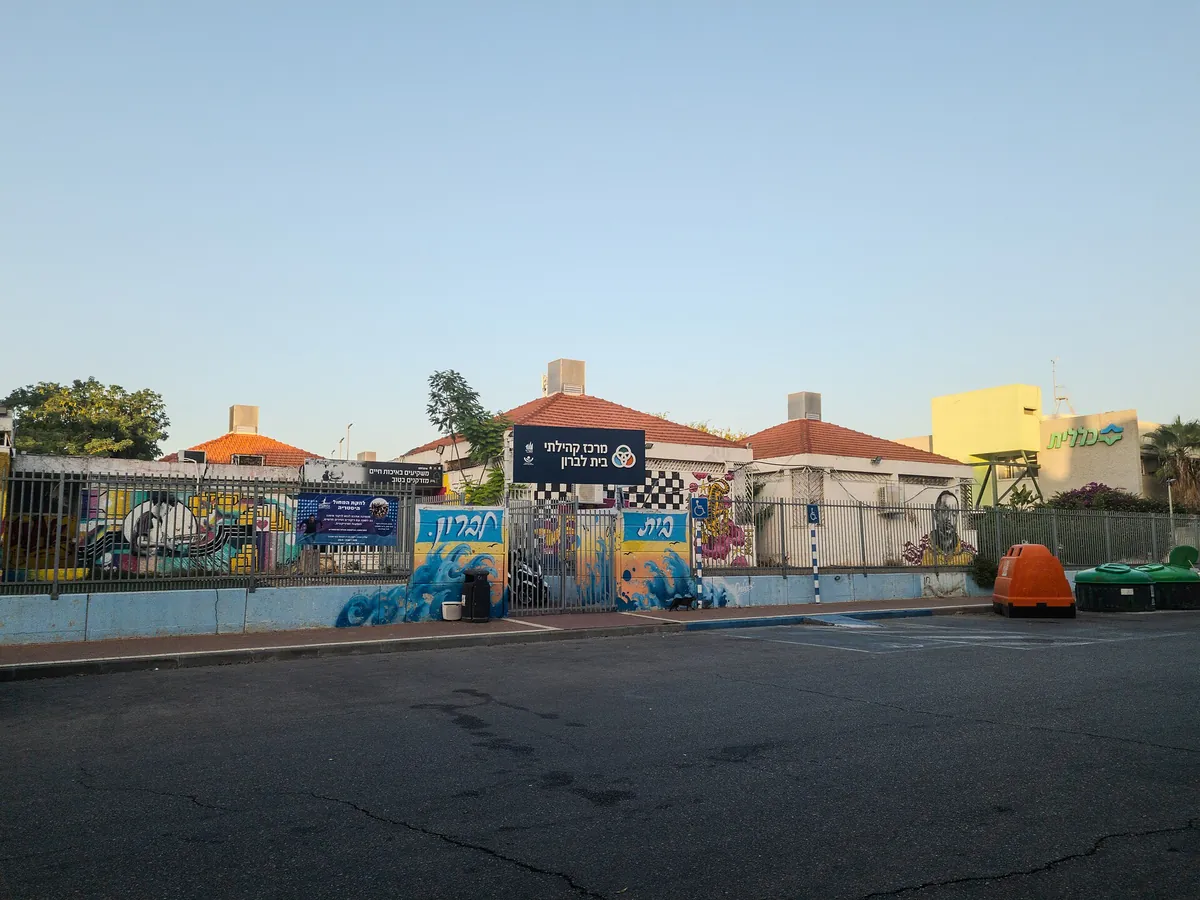
East side, from the mid-1960s, with TAMA 38 renewal. Mixed population; Beit Lavron pool, a Beit HaOleh centre and a Russian-language library branch.
Photo: מקף־עברי, via Wikimedia Commons (opens in a new tab) · CC0 (opens in a new tab) · resized and converted to WebP
A Torah-observant (Haredi) quarter of about 22,000 from the 1990s: around 70 shuls, many gemachs, all four health funds. Closed to cars on Shabbat.
An older east-side quarter where every street is named after a flower. Mixed religious, secular and olim population; Hartzit community centre and pool.
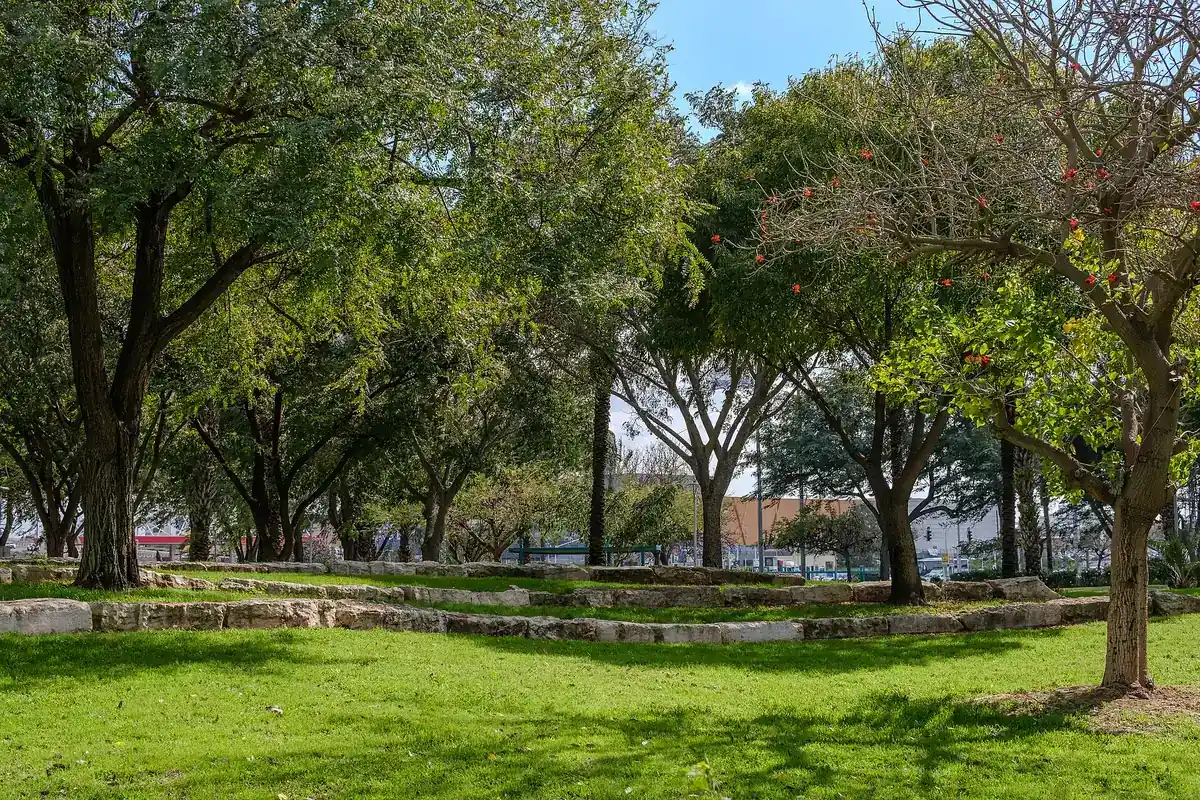
1990s, at the southern entrance by the train station and BIG Fashion. Private houses around blocks of flats; above the city average socio-economically.
Photo: מקף־עברי, via Wikimedia Commons (opens in a new tab) · CC0 (opens in a new tab) · resized and converted to WebP
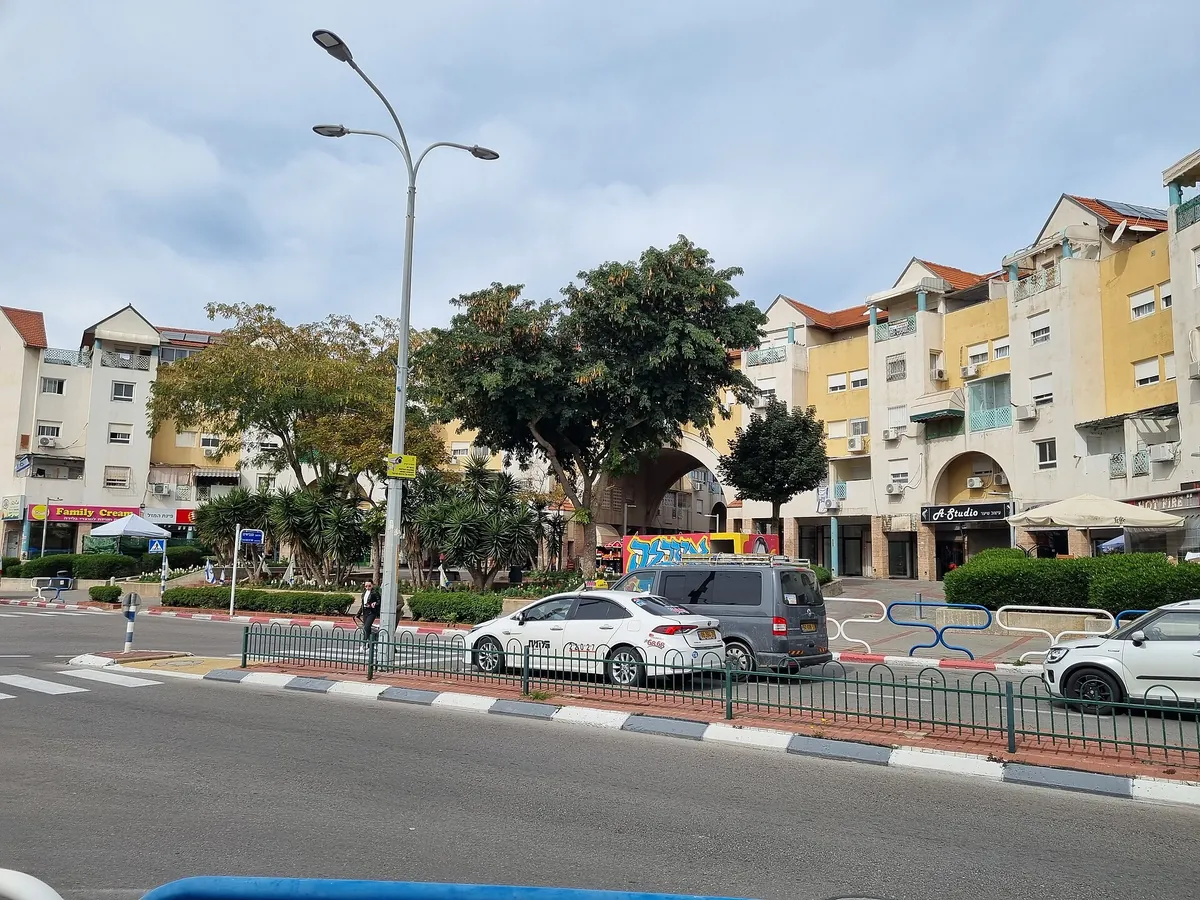
Built in the early 1990s for the big aliyah from the former USSR (about 65% of residents). HaNevi'im pedestrian mall, Dyuna community centre, the main police station.
Photo: מקף־עברי, via Wikimedia Commons (opens in a new tab) · CC0 (opens in a new tab) · resized and converted to WebP
By the sea since the 1970s: private houses in the first rows, stepped blocks behind, the beach promenade and the separate beach. Sought after by established families.
Built from the early 2000s: young families moving up from older quarters and Jews from France (municipality). Towers and terraced cottages, Safra centre and park.
Built with Rova Yud in the early 1990s; about 65% of residents came from the former USSR. Streets named after kings, a commercial centre, Makif Chet high school.
Founded in 1986 by the southern beaches, the largest quarter by area: houses and blocks, the Topaz mall, Tel Hai avenue and the Riviera bus terminal.
Founded in 2007, mostly high-rise towers with streets named after fruits. Mainly young couples and still developing; Todo commercial centre, beach promenade.
The southernmost quarter (2002), beside the southern beaches: houses and apartment blocks, the Shoham centre. NBN names it as popular with olim.
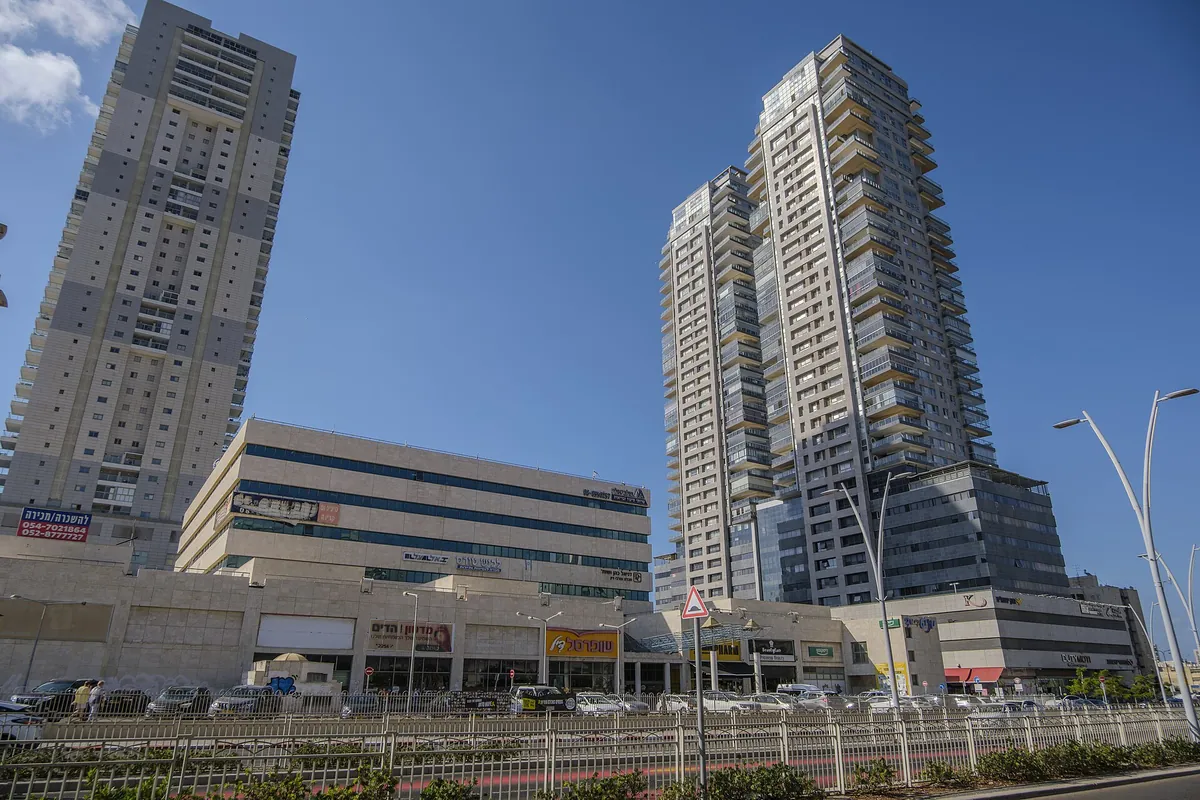
The central quarter, including the Mar'ar business district: City Mall and the central bus station, city hall, the arts centre. 22,000+ residents, 43% of them olim, mainly from the former USSR.
Photo: מקף־עברי, via Wikimedia Commons (opens in a new tab) · CC BY-SA 4.0 (opens in a new tab) · resized and converted to WebP
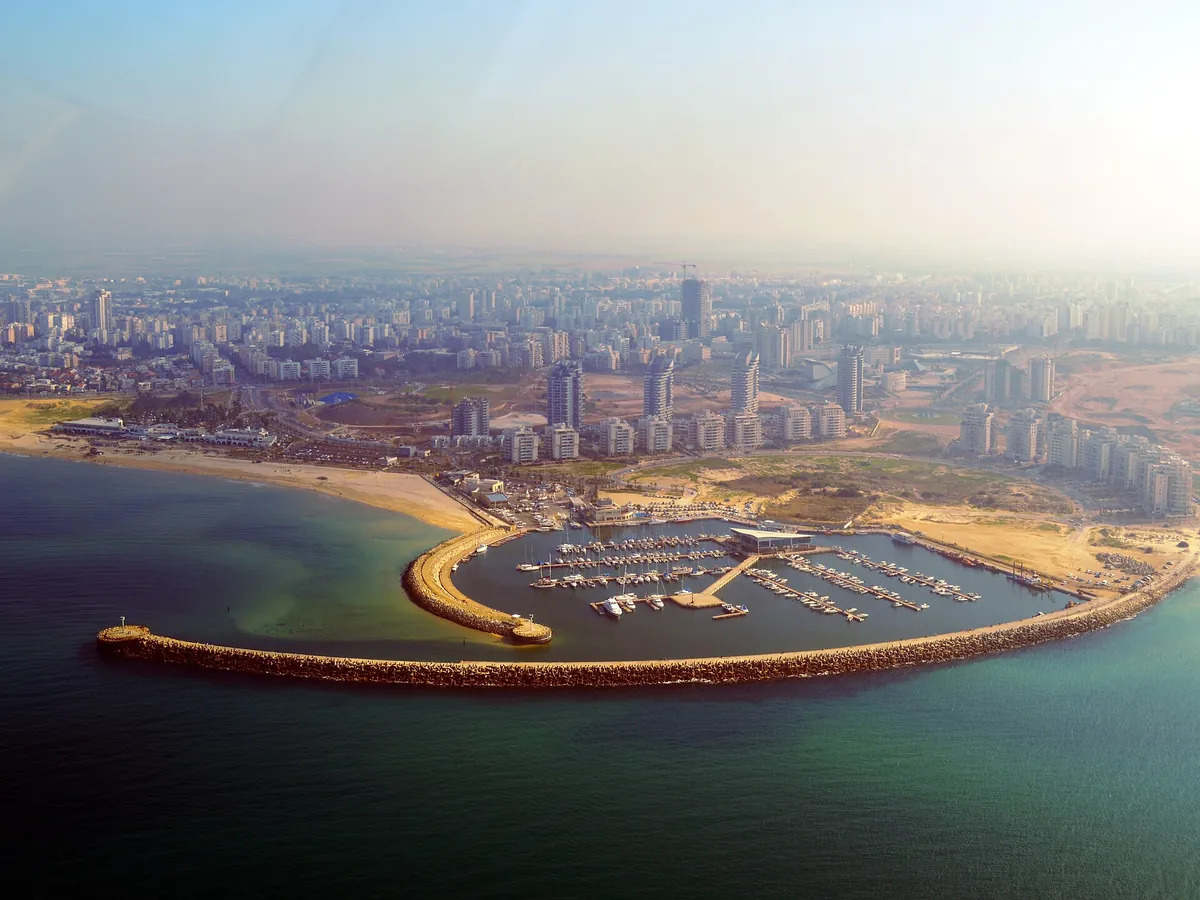
A small seaside quarter (about 1,800 residents) around the marina, lake and Sails Square. Older, well-off, 32% olim mainly from France; most flats are rented.
Photo: Amos Meron, via Wikimedia Commons (opens in a new tab) · CC BY-SA 3.0 (opens in a new tab) · resized and converted to WebP
A new quarter still being built in the north, between Nahal Lachish and Herzl Blvd: about 2,700 homes planned, with a sports complex and the river park next door.
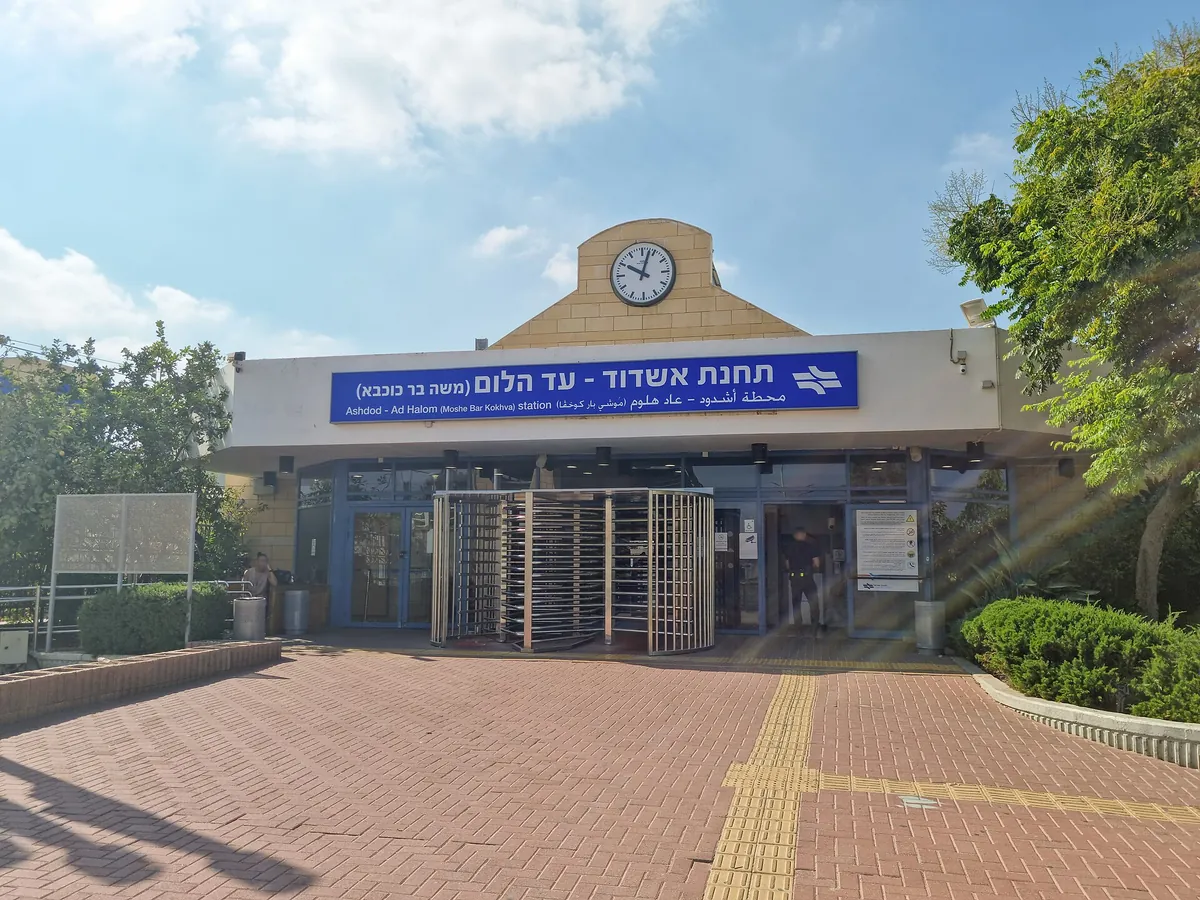
The mostly non-residential far south (formerly the Special Quarter): Assuta Ashdod hospital, the MDA station and the Ad Halom-Metropol train station.
Photo: מקף־עברי, via Wikimedia Commons (opens in a new tab) · CC0 (opens in a new tab) · resized and converted to WebP
Bookings are between you and the host or hotel. Check the cancellation terms and, over Shabbat, that you can get in without a code or a lift.
Website designed and built with love by Consult With Ari
Websites, SEO, social media, ads and IT support for small businesses. Based in Jerusalem and New York City, working with clients all over the world.